Simple Summer Meals That Keep You Energized
Summer has a way of shifting everything. Your routine changes, your schedule fills up, and even your appetite can feel a little different. Between travel, beach days, and longer evenings, it becomes easy to fall into inconsistent eating patterns or rely more on convenience foods that do not always leave you feeling your best.
At the same time, the heat makes cooking less appealing. Turning on the oven or spending time in the kitchen can feel like more effort than it is worth. That often leads to skipped meals or quick options that lack balance, which can impact your energy throughout the day.
The good news is that healthy summer meals do not have to be complicated. With a few simple strategies, you can build easy summer meals that support steady energy, hydration, and overall wellness. We’ll walk through practical ways to simplify your meals, from no-cook ideas to grilling and travel snacks, so you can feel good all summer long.
Why Summer Eating Feels Different
Hot weather naturally changes how your body responds to food. Many people notice they feel less hungry or prefer lighter meals, especially during the middle of the day. This is a normal response as your body works to regulate temperature and maintain balance.
At the same time, summer routines tend to be less structured. Kids are home from school, vacations are more frequent, and days can stretch longer than usual. Without a consistent schedule, meals may get pushed back, skipped, or replaced with quick snacks that are not very filling.
Hydration also plays a much bigger role in how you feel than many people realize. Even mild dehydration can affect energy levels, focus, and mood. Research found that fluid losses of just 1-2% of body weight can impair cognitive performance and increase fatigue.
Instead of trying to focus on your usual routine, it can be more helpful to adjust your approach. Focus on simple, balanced summer meals that align with your schedule and season.
The Balanced Summer Plate for Steady Energy
When your meals are balanced, your energy tends to follow. One of the most effective ways to avoid energy crashes is to build meals around a simple framework that supports blood sugar stability.
Start by including a source of protein, such as chicken, fish, tofu, eggs, or beans. Add a fiber-rich carbohydrate like rice, quinoa, whole grain bread, or sweet potatoes. Then layer in fruits or vegetables for vitamins, minerals,and hydration. Healthy fats like avocado, nuts, or olive oil help keep you satisfied and support longer-lasting energy.
Balanced meals that include protein, fiber, and fat have been shown to slow digestion and reduce blood sugar spikes, which plays a key role in maintaining steady energy levels throughout the day. Dietary patterns that emphasize whole foods and balanced macronutrients are associated with improved metabolic health and sustained energy.
In the summer, this does not need to look complicated. A plate with grilled fish or chicken, rice, and mango salsa, or a yogurt bowl with fruit and nuts, can check all the boxes. The goal is not perfection, but consistency.
No-Cook and Low-Cook Summer Meal Ideas
When the temperature rises, no-cook meals can be a game changer. They allow you to eat well without spending time in a hot kitchen, which makes it easier to stay consistent with healthy habits.
Instead of relying on full recipes, try building meals from simple components. Start with a base like pre-cooked rice, quinoa, or greens. Add a protein such as rotisserie chicken, canned tuna, tofu, or beans. From there, include vegetables, fruit, and a simple dressing (like Bolthouse Farms) or a light drizzle of Bachan’s Japanese sauce to bring everything together.
Meals like wraps, grain bowls, and snack plates are perfect for this approach. A wrap with turkey, avocado, and veggies or a bowl with rice, beans, and fresh salsa can come together in minutes. Snack plates are another easy option, combining items like hummus, crackers, sliced vegetables, fruit, and a protein source. This isn’t limited to just “girl dinners”! Try this Ham and Swiss Roll Ups or Cucumber Edamame Rice Salad.
Smoothies can also work well, especially if you include protein and fiber. Adding Greek yogurt, protein powder, chia seeds, or nut butter can help turn a smoothie into a more balanced and satisfying meal.
Using convenience foods is not a shortcut in a negative way. It is a strategy that supports consistency. Pre-cut vegetables, canned beans, and ready-to-eat proteins can make healthy summer meals much more realistic.
Simple and Balanced Grilling Ideas
Grilling is one of the easiest ways to cook during the summer without heating up your home. It also adds flavor without requiring complicated preparation.
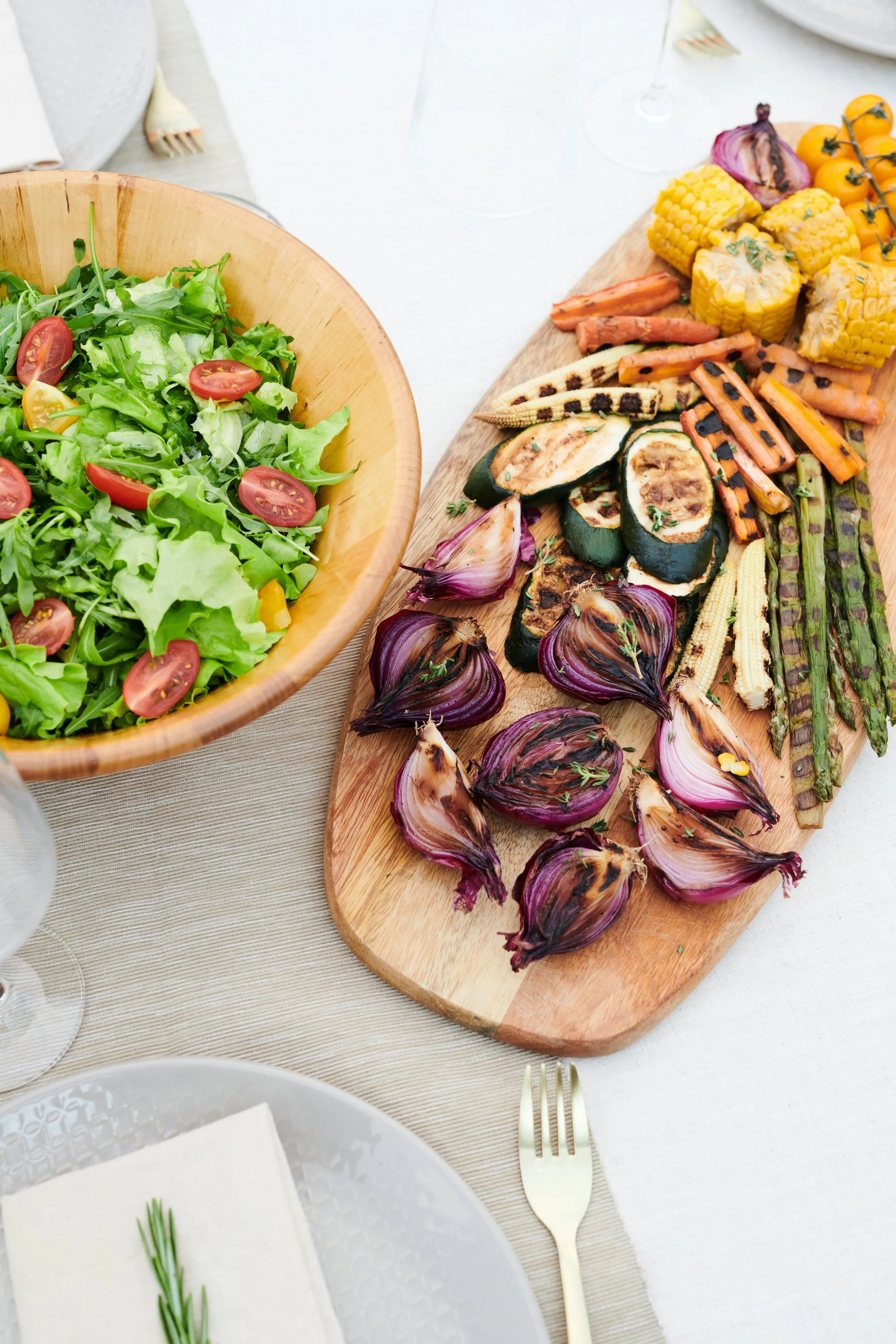
Start with a protein like chicken, fish, shrimp, or tofu. Add vegetables such as zucchini, bell peppers, onions, or corn. A simple marinade made with olive oil, citrus juice, garlic, and herbs can enhance flavor without adding much effort.
To create a balanced meal, pair your grilled items with a carbohydrate source like rice, potatoes, or even whole grain bread. Adding fruit, such as grilled pineapple or mango, can bring a fresh and naturally sweet element to your plate.
In Hawaii, grilling can easily incorporate local foods. Fresh fish like mahi mahi or ahi pairs well with rice and tropical fruits like papaya or pineapple. These meals are not only flavorful but also aligned with a balanced summer plate.
Research has shown that diets rich in fruits, vegetables, and healthy fats are associated with lower inflammation and improved overall health outcomes. Incorporating these foods through simple cooking methods like grilling can support both energy and long-term health.
Eating for Energy During Longer Summer Days
Longer days often mean more activity and less structure, which can make it harder to stay consistent with meals. While it may not feel like a big deal to skip a meal here and there, it can lead to noticeable dips in energy.
When you go too long without eating, blood sugar levels drop, which can lead to fatigue, irritability, and cravings later in the day. This often results in overeating or choosing quick foods that do not provide lasting energy.
One simple way to prevent this is to pair carbohydrates with protein and fat. For example, fruit with nuts or yogurt provides both quick and sustained energy. This combination helps keep blood sugar levels more stable and prevents energy crashes.
Planning ahead can make a big difference, especially on busy days. Packing snacks or preparing simple meals in advance can help you stay consistent without needing to think about it in the moment.
Hydration Habits That Support Energy
Hydration is one of the most overlooked aspects of summer nutrition. It plays a major role in how you feel, both physically and mentally.
Water supports circulation, digestion, and temperature regulation. When you are not drinking enough, you may feel tired, sluggish, or have difficulty concentrating. Sometimes thirst is even mistaken for hunger.
Including hydrating foods like watermelon, cucumber, oranges, and pineapple can help increase your overall fluid intake. Drinking water consistently throughout the day is more effective than trying to drink large amounts once.
In situations where you are sweating more, such as outdoor activities or beach days, electrolytes may be helpful. These minerals support fluid balance and help replace what is lost through sweat.
Healthy Travel Snack for Summer Trips
Travel is one of the most common times when healthy eating habits and hydration get disrupted. Whether you are flying or driving, having a plan for snacks can help you stay energized and avoid relying solely on convenience options.
For plane travel, focus on snacks that are easy to pack and shelf-stable. Options like trail mix, nuts, protein bars [ Aloha Bars link ], roasted chickpeas, whole fruit, and jerky provide a balance of nutrients and help keep you satisfied.
Road trips offer more flexibility, especially if you can bring a cooler. Items like yogurt, cut fruit, wraps, and pre-made snack boxes can make it easier to eat balanced meals on the go.
Regular eating patterns, even when traveling, can help maintain energy levels and prevent overeating later in the day. Research recently published highlights that consistent meal timing is associated with improved metabolic health and appetite regulation.
Do not forget to bring a reusable water bottle. If flying, make sure to fill it up before you get on the plane. Staying hydrated while traveling is just as important as the food you pack.
Keep Your Summer Nutrition Strategy Simple
Summer is not the time to overcomplicate your meals. In fact, simplifying your approach can make it easier to stay consistent and feel your best.
Focus on a few meals you enjoy and repeat them throughout the week. Use convenience foods when needed and build meals from simple components rather than complicated recipes.
Give yourself flexibility, especially when traveling or attending events. You do not need to eat perfectly to maintain your progress. Small, consistent habits will always have a bigger impact than occasional perfection.
Simple Meals, Steady Energy All Summer
Healthy summer meals do not require a complete routine overhaul. With a focus on balance, hydration, and simple preparation, you can support your energy and enjoy your summer without added stress.
By building meals that include protein, fiber, and healthy fats, and by planning ahead when needed, you create a foundation that helps you feel your best day to day.
If you’re looking for support with meal planning, building balanced summer meals, or navigating busy seasons like travel and schedule changes, working with a dietitian can help simplify the process. Our team can help you create a realistic plan that fits your lifestyle, preferences, and goals. Reach out today to get started and take the guesswork out of your nutrition.