
How to Prep Lunches That Boost Energy
You know that feeling when your morning starts strong… and then by 2pm you’re staring at your screen rereading the same sentence three times?
That afternoon slump is not a personality flaw. It is often a lunch issue.
As a dietitian, I see this all the time. Someone tells me they are “eating pretty healthy,” but they still feel exhausted mid-afternoon, craving sugar, or reaching for another coffee. More often than not, the problem is not how much they are eating. It is how their lunch is built.
Let’s talk about how to create energizing lunch prep meals that are easy to make, realistic to repeat, and designed to support steady energy all day long.
Why Your Lunch Impacts Your Energy So Much
Your body relies on glucose, which comes from carbohydrates, as its primary fuel source. When you eat, your blood sugar rises. The goal is not to prevent that rise. The goal is to keep it steady.
If your lunch is mostly refined carbohydrates, like white bread, chips, or something sugary, your blood sugar can spike quickly. Your body responds by releasing insulin, which helps move glucose into your cells. When that response is strong and rapid, blood sugar can drop just as quickly. That drop often feels like fatigue, brain fog, irritability, or cravings.
On the other hand, when you combine carbohydrates with protein, fiber, and healthy fat, digestion slows down. Glucose enters your bloodstream more gradually. You get a smoother energy curve instead of a dramatic rise and fall.
Hydration also plays a role here. Even mild dehydration can show up as fatigue, headaches, and difficulty concentrating. If your lunch is balanced but you are barely drinking water, you may still feel sluggish.
Energy is not about eating less or more. It is about eating strategically.
Food That Can Increase Energy
There is no single food that “boosts” energy in a magical way. Sustainable energy comes from balance and blood sugar stability.
Complex Carbohydrates for Steady Fuel
Carbohydrates are not the enemy. In fact, they are essential for energy. The key is choosing carbohydrates that digest more slowly and provide fiber.
Whole grains like brown rice, quinoa, starchy vegetables like sweet potatoes, and whole grain wraps or breads contain fiber that slows glucose absorption. This helps prevent rapid spikes and crashes. Fiber also supports gut health, which plays a role in overall metabolism and nutrient absorption.
When clients tell me they feel better eating “low carb,” what they often mean is they feel better avoiding refined carbs. There is a big difference.
Protein for Blood Sugar Balance
Protein is one of the most powerful tools for preventing the afternoon crash.
When you include protein at lunch, whether that is chicken, tofu, beans, eggs, fish, or Greek yogurt, you slow down digestion and blunt blood sugar spikes. Protein also supports neurotransmitter production, which can influence mood and mental clarity.
A lunch without protein often leads to feeling hungry again quickly. A lunch with adequate protein tends to feel steady and satisfying.
Healthy Fats for Sustained Energy
Healthy fats help you stay full longer and provide a more sustained energy release. Think avocado, nuts, seeds, olive oil, or nut butter.
Fat slows the emptying of your stomach. That slower digestion contributes to more gradual glucose absorption and longer-lasting energy. You do not need large portions. Even a small amount can make a noticeable difference in how satisfied you feel.
Micronutrients Matter Too
Iron, B vitamins, and magnesium all play important roles in energy metabolism. Leafy greens, legumes, whole grains, nuts, seeds, and lean proteins help provide these nutrients.
While a single lunch will not fix a deficiency, consistently including a variety of whole foods supports your body’s natural energy systems.
Foods That Can Decrease Energy
Again, this is not about labeling foods as good or bad. It is about understanding how certain patterns affect your body.
Refined Carbohydrates Alone
When lunch is mostly white bread, pastries, chips, or sugary drinks, blood sugar tends to rise quickly and fall quickly. That drop can leave you feeling tired, shaky, or unfocused.
If you enjoy these foods, try pairing them with protein or fiber rather than eating them alone. The combination makes a big difference.
Very Large or Heavy Meals
Portion size matters. Extremely large lunches, especially those high in fried or very fatty foods, can leave you feeling sleepy.
Digestion requires blood flow and energy. When your body is working hard to process a heavy meal, you may feel sluggish or mentally slower. This does not mean you should eat tiny lunches. It simply means balance and portion awareness matters.
Sugary Beverages and Energy Drinks
Liquid sugar is absorbed quickly. That includes soda, sweetened teas, and many energy drinks.
You may feel an initial boost, but it is usually short-lived. The crash that follows can feel even more intense than your original fatigue. Over time, relying on these beverages can make your natural energy regulation less stable.
Skipping Lunch
This one surprises people.
When you skip lunch, blood sugar can drop too low. You may feel tired, irritable, or unable to focus. Later in the day, this often leads to intense hunger and overeating at dinner.
Consistent, balanced meals are more supportive of steady energy than long stretches without food.
The Balanced Energy Plate
If you are wondering how to avoid the afternoon energy crash, here is the simple formula I often share with clients.
Think in terms of a Balanced Energy Plate:
Protein + Fiber-Rich Carbohydrate + Color + Healthy Fat + Fluids
That’s it.
You don’t need a complicated recipe. You just need those five components present in most lunches.
Protein could be grilled chicken, beans, tofu, fish, or eggs. A fiber-rich carbohydrate might be brown rice, quinoa, sweet potatoes, or a whole grain wrap. Color means vegetables or fruit. Healthy fat could be avocado, olive oil, nuts, or seeds. And fluids should ideally be water, sparkling water, or unsweetened tea.
When these pieces are combined, your lunch supports blood sugar stability, satiety, and sustained energy.
Simple. Repeatable. Effective.
Easy Energizing Lunch Prep Ideas
Lunch prep does not have to mean elaborate meal plans or hours in the kitchen. In fact, the simpler it is, the more likely you are to stick with it.
One of the easiest options is a build-your-own bowl. Batch cook a whole grain like quinoa or brown rice. Prepare a protein such as grilled chicken, baked tofu, or roasted chickpeas. Roast a tray of vegetables. During the week, mix and match, add avocado or a drizzle of olive oil, and you have a balanced meal in minutes.
Wraps are another practical option. Fill a whole grain wrap with protein, add plenty of vegetables, include a spread like hummus or avocado, and pair it with fruit on the side. It travels well and supports steady energy without feeling heavy.
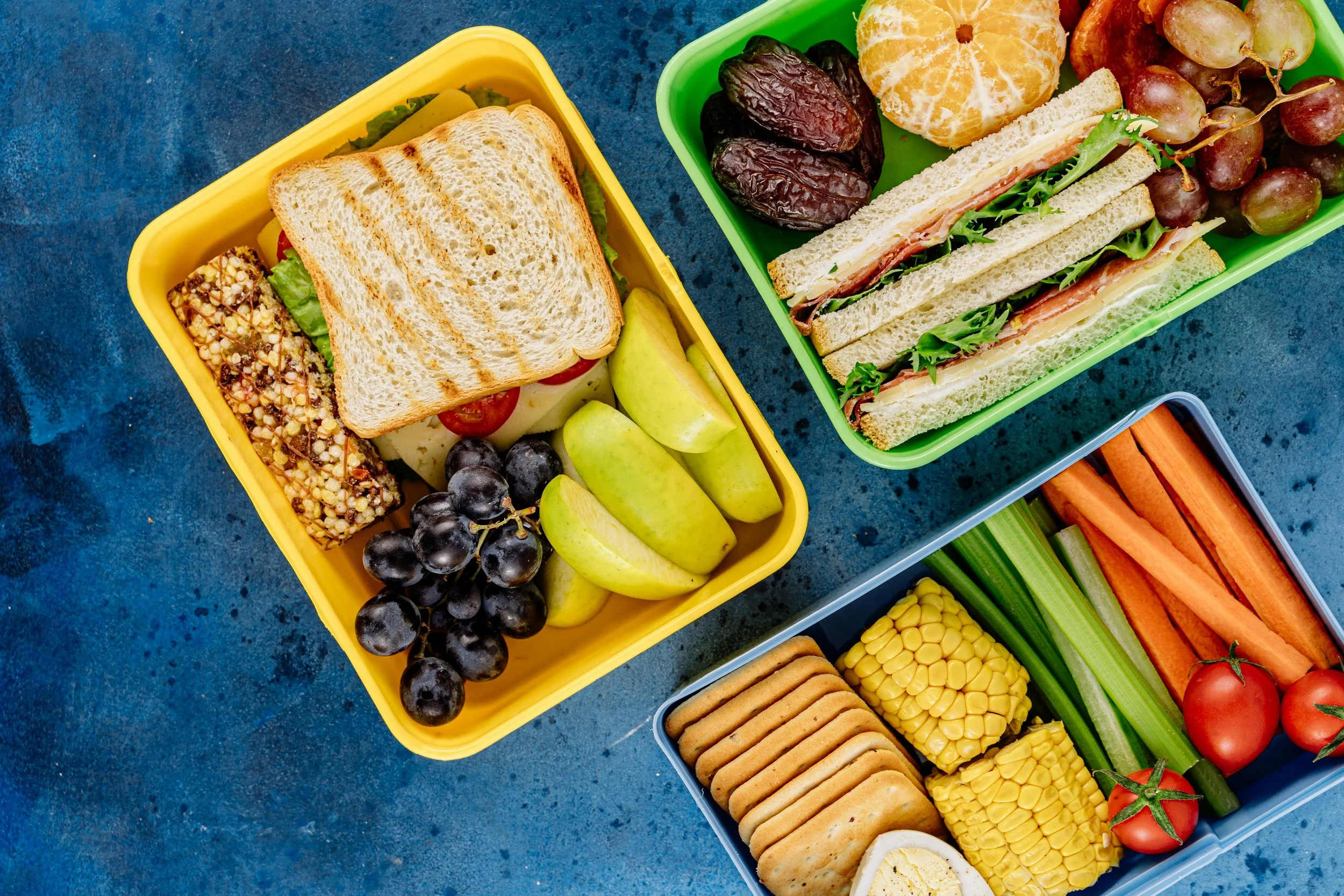
On very busy days, a balanced snack plate works surprisingly well. Combine something with protein, something with fiber, something fresh, and a small amount of healthy fat. When thoughtfully assembled, it can prevent that mid-afternoon crash just as effectively as a traditional meal.
The key is not variety for the sake of variety. The key is creating a few energizing lunch prep meals you genuinely enjoy and can rotate consistently.
Do Not Forget Fluids
Even the most balanced lunch cannot compensate for dehydration.
Keep a water bottle nearby. Sip throughout the day instead of waiting until you feel thirsty. If you are active or spending time outdoors, your needs may be higher than you think.
Sometimes what feels like hunger or fatigue is actually mild dehydration.
If your afternoons feel like a struggle, start with your lunch.
Focus on balance. Include protein. Choose fiber-rich carbohydrates. Add color. Do not forget healthy fats and fluids. You do not need perfection. You need consistency.
Small shifts in how you build your lunch can lead to steadier energy, improved focus, and fewer cravings later in the day.
And that is a change you will feel not just at 2pm, but long term.
If you’re reading this and thinking, “I’m not sure if my lunches are actually balanced,” you are not alone. Sometimes it helps to have a trained eye look at what you are currently eating and make small, realistic adjustments that fit your lifestyle. If you would like support with meal planning, building balanced energy plates, or troubleshooting that afternoon slump, we would love to help. Book a call to chat with one of our dietitians and let’s create a plan that keeps you energized and confident in your choices.