Discover the Power of Nutrition on Any Budget
National Nutrition Month is all about discovering the power of nutrition, and this year’s weekly highlight on staying nourished on any budget could not be more timely. With rising grocery costs, busy schedules, and the unique challenges of island living, eating well can feel overwhelming. The good news is that nourishing your body does not require expensive foods, trendy products, or perfection. It starts with practical skills, smart planning, and knowing where to find support within your community.
Whether you are cooking for yourself, your family, or a party, there are ways to build meals that are satisfying, affordable, and supportive of long term health.
Staying Nourished With the Resources You Have
Nutrition looks different for everyone, especially when budgets, kitchen access, time, and energy levels vary. Staying nourished on a budget is not about following rigid rules or comparing your plate to someone else’s. It is about working with what you have right now and building from there.
In Hawaii, this might mean leaning into familiar staples like rice, local produce when it is available, frozen vegetables, canned fish, or simple proteins that can stretch across multiple meals. It also means recognizing that progress matters more than perfection. Even small shifts in how meals are planned or prepared can lead to meaningful changes over time.
Cooking and Meal Prep Skills That Save Money
Developing basic cooking and meal prep skills is one of the most effective ways to lower food costs while improving nutrition. When meals are planned and prepared at home, you have more control over ingredients, portions, and spending. Even a few foundational skills can significantly reduce reliance on takeout or last minute convenience foods.
Start by learning how to prepare versatile ingredients that can be used in multiple meals throughout the week. Cooking a pot of rice, roasting a tray of vegetables, or preparing a batch of beans, lentils, tofu, or chicken creates a base for bowls, stir fries, soups, and salads. This approach stretches groceries further and reduces food waste.
Meal prep does not need to be all or nothing. Preparing just one or two components ahead of time can still save money and decision fatigue. For example, washing and chopping produce as soon as you get home from the store makes it more likely those foods will actually get used. Cooking double portions and saving leftovers for lunch the next day is another simple habit that adds up over time.
Soups, stews, and one pan meals are especially budget friendly because they allow you to combine affordable ingredients into filling meals that freeze well. These meals are ideal for busy weeks and help ensure there is always something nourishing available when time or energy is low. If you want more structure, our past blog Essential Meal Prepping Tips for a Healthier, Stress Free Week offers practical strategies that work well for busy lifestyles.
Finding Cooking and Meal Prep Resources Online
You do not need formal training or expensive cookbooks to build cooking confidence. Free online resources can be incredibly helpful, especially when you are working within a tight budget or limited kitchen setup.
Searching on Google or YouTube for phrases like budget friendly meals, simple meal prep ideas, or easy Hawaii inspired recipes can quickly expand your recipe collection. Short how-to videos are especially useful for learning techniques like chopping vegetables, cooking grains, or preparing proteins safely.
Social media can also be a valuable tool when used intentionally. Following registered dietitians, home cooks, or local Hawaii based food creators can provide realistic recipe ideas to help you cook more at home. Many creators share quick meals, slow cooker recipes, and tips for using affordable ingredients like canned fish, frozen vegetables, and pantry staples. Try checking out @nutritionbykylie, @jamesbok, or @keeping.it.relle.
The key is to save and revisit recipes that feel doable rather than overwhelming. Building a small rotation or meals you enjoy is more sustainable than constantly trying something new.
Hawaii residents have access to excellent free nutrition education resources like the University of Hawaii SNAP Ed. It provided tools that focus on real life cooking and budgeting skills. Their resources include simple recipes, meal planning guides, and food safety tips designed for households on a budget. Even if you’re not enrolled in SNAP, these materials are helpful for anyone looking to stretch their grocery dollars while still prioritizing nutrition.
Budget Friendly Meal Planning That Works
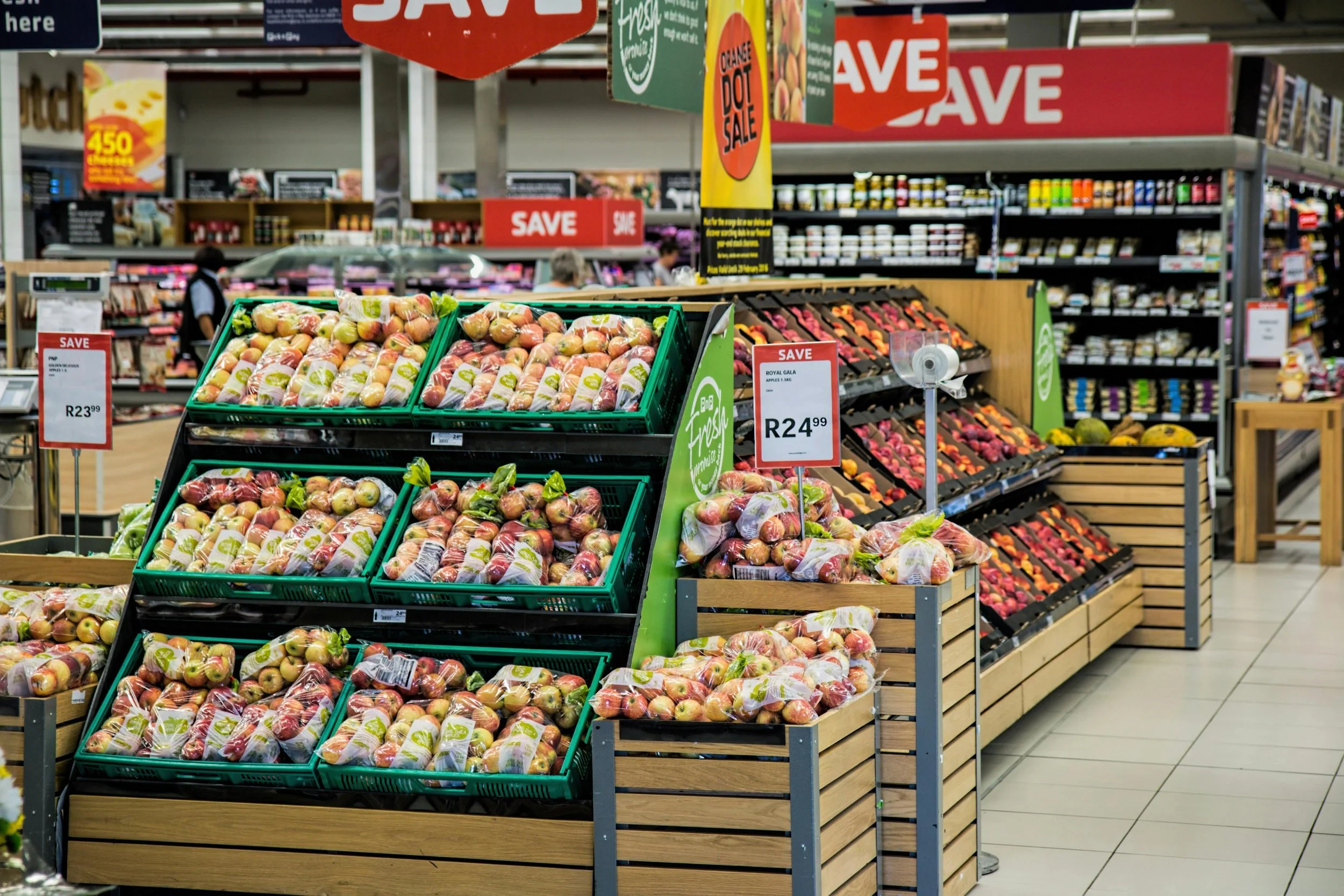
Meal planning is not about rigid schedules or eating the same meals everyday. It is about making intentional choices that reduce stress and spending. Planning meals around sales, seasonal produce, and pantry staples can help lower grocery bills without sacrificing variety.
Bulk shopping can be especially helpful for households that rely on staples like rice beans, oats, or frozen vegetables. Buying larger quantities often lowers the cost per serving and ensures you always have the foundation for a meal on hand.
Freezer meals and soups are another budget friendly strategy. Soups, stews, and casseroles allow you to combine affordable ingredients into filling meals that can be portioned and frozen for later. These meals are especially helpful during busy weeks when cooking feels overwhelming.
Gardening as a Tool to Reduce Grocery Costs
Gardening can be a powerful long term strategy for reducing grocery expenses while strengthening your connection to food. In Hawaii’s climate, many fruits, vegetables, and herbs grow well year round, even in small spaces like lanais or patios.
If you are new to gardening, start small. Herbs like green onions, basil, cilantro, and mint are beginner friendly and can significantly enhance meals without repeated grocery purchases. Leafy greens and certain vegetables also do well in containers when given proper care.
The University of Hawaii Food to Grow program offers helpful guidance on making paper pots, planting seeds, transplanting, and where to find seeds and plants in the community. These tips can help gardeners at any level increase success and reduce frustration.
Seed libraries, often found in public libraries, are another excellent resource for getting started without added cost. These programs allow community members to take seeds for free, making gardening more accessible for everyone.
Free Community Resources That Support Food Access
Many communities across Hawaii offer free or low cost resources that support nourishment and food security. Seed libraries and community gardens provide opportunities to grow food while connecting with others. Local workshops and events often offer education on gardening, cooking, and nutrition at no cost. You can learn more about volunteering at Kokua Kalihi Valley’s Ho’oulu Āina community work garden days here.
Food banks and little free food pantries help bridge gaps during challenging times. These resources are meant to be used and there is no shame in reaching out for support when needed. Schools may also offer nutrition programs, free or reduced price meals, and take home food resources for children and families.
Community support works best when it flows both ways. If you are in a position to give, volunteering, donating, or advocating for these programs helps ensure they remain available for others. Supporting and speaking up for nutrition education, food access programs, and community resources strengthens the health of the entire community.
Why Advocating for Nutrition Policies Matter
Staying nourished on a budget is not just an individual responsibility. Policies and community programs play a major role in food access, education, and affordability. Advocating for nutrition policies that support families and communities helps create long lasting change.
This can be as simple as staying informed, supporting local programs, or participating in community discussions. When nutrition education and food access are prioritized, everyone benefits.
Building Skills That Support Long Term Health
Staying nourished on a budget is not about short term fixes. It is about building skills and habits that support health over time. Cooking more often at home, planning meals with intention, using community resources, and growing even a small portion of your food all contribute to a more sustainable approach to nutrition.
These skills also build confidence. Over time, food choices feel less stressful and more empowering. Small habits such as preparing one freezer meal each week, planning groceries before shopping, or learning one new recipe per month can have a lasting impact.
Nutrition is not about doing everything perfectly. It is about creating systems that work for your real life. When skills are built gradually and supported by community resources, healthy eating becomes more accessible, affordable, and sustainable for the long run.
Discover the Power of Nutrition Where You Are
You do not need a perfect plan or a large budget to nourish your body. Start where you are, use the resources available to you, and build skills one step at a time. Nutrition is not about restriction or perfection. It is about empowerment, connection, and sustainability.
If you would like personalized support in building budget friendly habits that fit your lifestyle, working with a dietitian can help you create a plan that feels realistic and sustainable.