
When you hear the word fiber, you might immediately think about digestion and staying regular. And while that is certainly one of fiber’s important jobs, there is much more to this nutrient than keeping things moving.
Fiber can help us feel satisfied after meals, support healthy blood sugar and cholesterol levels, and provide fuel for the trillions of microorganisms living in our gut. Different types of fiber work in different ways, which is one reason eating a variety of plant foods is so important.
You don’t need to become a fiber expert or overhaul your entire diet to get more. From oats and beans to apples, kabocha squash, and chia seeds, there are plenty of simple and delicious ways to add more fiber to the foods you’re already eating.
Let’s take a closer look at what fiber does, the different types of fiber, and some easy ways to get more into your diet.
What Is Dietary Fiber?
Dietary fiber is a type of carbohydrate found naturally in plant foods that our bodies don’t completely digest. Instead of being broken down and absorbed like many other carbohydrates, fiber travels through the digestive tract and can have a variety of effects along the way.
Some types of fiber help add bulk to stool and support regular bowel movements. Others slow digestion, helping you feel full for longer and supporting healthy blood sugar and cholesterol levels. Some fibers are also fermented by the bacteria in our gut, producing compounds that can benefit the digestive tract.
This is why fiber is so much more than a digestion nutrient. It can play a role in digestive health, heart health, blood sugar regulation, and the health of our gut microbiome. And not all fiber works the same way. That’s where things get a little more interesting.
Soluble vs. Insoluble Fiber
You may have heard of soluble and insoluble fiber before, but what exactly is the difference? Think of these as two broad categories that describe how different fibers behave in the digestive tract. Many foods actually contain both types, so you don’t need to keep track of which foods contain which kind.
Soluble Fiber
Soluble fiber dissolves or disperses in water and can form a gel-like substance during digestion. This can slow digestion and help us feel satisfied after eating. Soluble fiber is also associated with supporting healthy cholesterol and blood glucose levels.
Some foods that contain soluble fiber include:
Oats and barley
Beans and lentils
Apples and pears
Citrus fruits
Chia seeds and ground flaxseed
Some vegetables
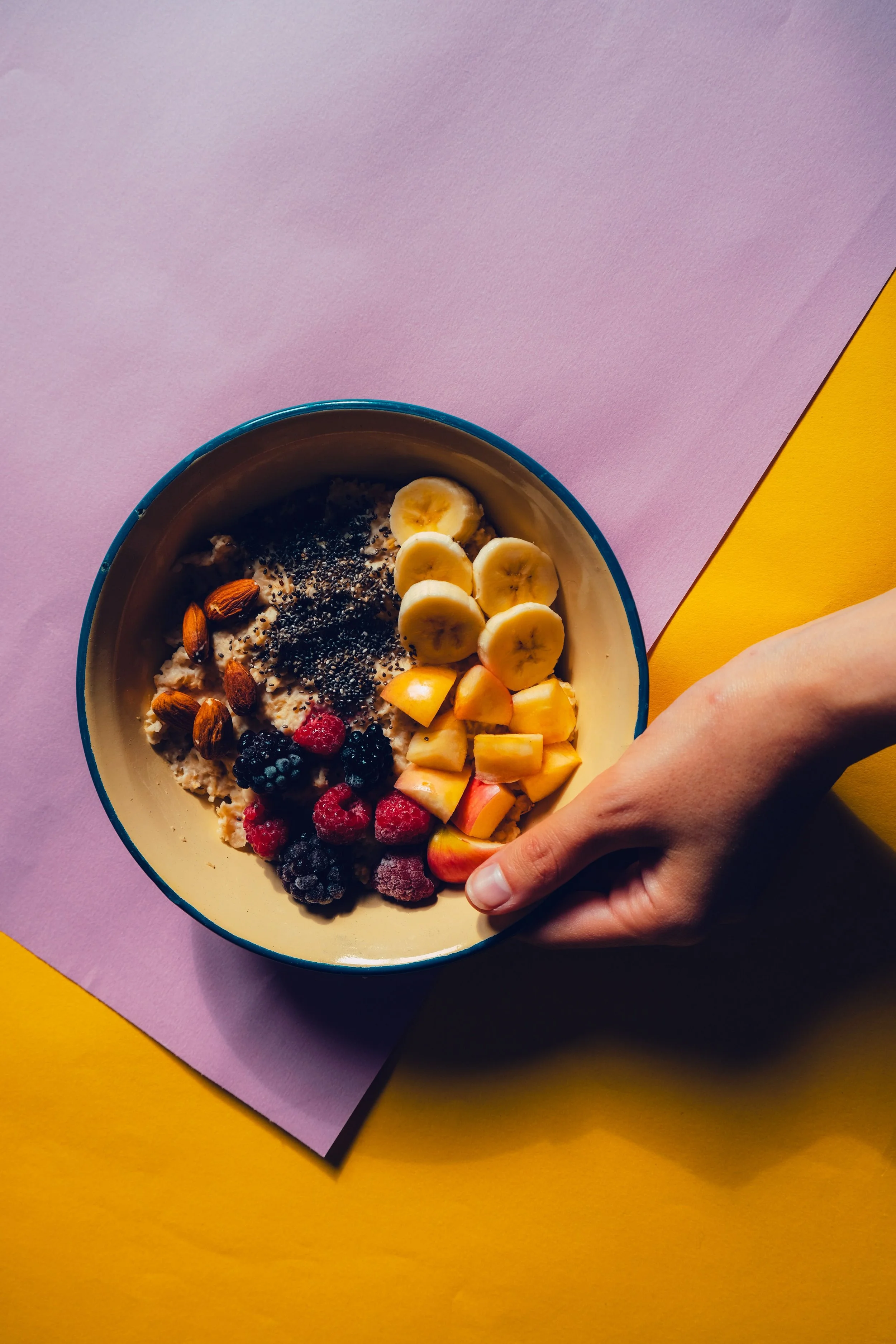
If you enjoy oatmeal for breakfast, add berries and chia seeds for an extra fiber boost. Or try adding beans to your favorite soup or chili. These small additions can help you get more soluble fiber without making mealtime complicated.
Insoluble Fiber
Insoluble fiber doesn’t dissolve in water and helps add bulk to stool. This can help food move through the digestive tract.
This type of fiber is particularly helpful for maintaining regular bowel movements. If you’ve ever noticed that eating more whole grains, vegetables, or fruit helps keep your digestion on track, fiber may be part of the reason.
You’ll find insoluble fiber in foods such as:
Whole grains and whole-wheat bread
Wheat bran
Nuts and seeds
Vegetable skins
Many vegetables
Potatoes with the skin
An easy way to get more insoluble fiber is to leave the skin on your potatoes when preparing them, choose whole grain bread, or add nuts and seeds to your meals.
Rather than worrying about whether you’re eating enough soluble or insoluble fiber specifically, focus on variety throughout the day. Try oats at breakfast, beans at lunch, vegetables at dinner, and fruit for a snack can all contribute to your daily fiber intake. The goal isn’t to get every type of fiber perfectly balanced. It’s to build eating habits that include a wide variety of fiber rich foods.
What is Prebiotic Fiber?
Here’s where fiber gets even more interesting. You may have heard the term prebiotic when talking about gut health. A prebiotic is a substance that is selectively used by microorganisms in a way that provides a health benefit. While many prebiotics are types of dietary fiber, not every fiber is considered a prebiotic. Some foods that contain prebiotic fibers include garlic and onions, asparagus, beans and lentils, oats, slightly green bananas, and chicory root.
A simple way to think about prebiotic fibers is that they can serve as food for certain microorganisms in your gut. When gut bacteria ferment certain types of fiber, they produce compounds called short-chain fatty acids, including acetate, propionate, and butyrate. Butyrate is one that researchers are particularly interested in.
Why Butyrate Matters?
Butyrate is one of the short-chain fatty acids produced when certain gut bacteria ferment fiber. It serves as an important source of energy for the cells lining the colon and plays a role in maintaining the gut barrier.
Research also suggests that butyrate can influence immune function and inflammation within the gut. However, there is still a lot researchers are learning about exactly how these processes translate into long-term health outcomes in humans.
There is one reason eating fiber-rich foods is about more than simply getting enough grams of fiber each day. The variety of fiber you eat can influence the types of fuel available to your gut microbes.
A New Fiber Researchers Are Studying
You may start hearing more about newer types of prebiotic fiber, including one called LOAM. LOAM is a blend of six prebiotic fibers designed to provide different types of fuel for the gut microbiome. Early human research is interesting. In a small 30 day, double-blind, placebo-controlled trial involving 47 participants, researchers reported changes in the gut microbiome among people taking LOAM, including enrichment of Roseburia, a group of bacteria known for producing butyrate.
Why is that interesting? Because researchers are increasingly interested in how specific fibers influence the gut microbiome and the production of compounds such as butyrate. But there’s an important distinction to make here. This is early research. A 30 day study involving 47 people isn’t enough to tell us whether LOAM improves long-term health outcomes or reduces the risk of cancer or chronic inflammation.
The broader research around dietary fiber is much more established. For example, an umbrella review of meta-analyses found that higher dietary fiber intake was associated with lower risk of several types of cancer, including colorectal cancer, although the strength of evidence varied by cancer type.
So while emerging fibers like LOAM are interesting to watch, you don’t need a specialty fiber product to start supporting your gut health. There is a whole grocery store full of fiber-rich foods available to you already.
The Benefits of Eating More Fiber
So what does all of this mean for your everyday diet? Fiber can support your health in several different ways.
Fiber Supports Digestive Health
This is probably the benefit most people associate with fiber, and for good reason. Fiber can help add bulk to stool and support regular bowel movements. Some fibers also help hold water in the digestive tract, while others are fermented by gut bacteria.
If you’re increasing your fiber intake, it’s a good idea to increase it gradually and drink enough fluids. Jumping from a low fiber diet to a very high fiber diet overnight can leave you feeling more bloated and uncomfortable than healthy and energized.
Fiber Helps You Feel Full and Satisfied
High fiber foods can take longer to chew and digest, which can contribute to feelings of fullness and satisfaction after a meal. This is one reason meals built around foods like beans, lentils, whole grains, fruits and vegetables can be so satisfying. And when you combine fiber-rich carbohydrates with protein and healthy fats, you have a meal that can keep you feeling fueled for longer. Try pairing fruit with some nuts or nut butter to create a balanced snack with fiber, protein, and healthy fats.
Fiber Supports Heart Health
Certain types of soluble fiber can help support healthy cholesterol levels. Some soluble fibers bind to substances involved in cholesterol digestion, helping the body remove them rather than reabsorbing them. Fiber rich foods also tend to bring other heart supportive nutrients along with them, including vitamins, minerals, antioxidants, and healthy fats. Instead of focusing on fiber as an isolated nutrient, think about the whole package that comes with foods like oats, beans, nuts, seeds, fruits, and veggies.
Oats and barley are well known sources of beta-glucan, a soluble fiber that has been studied for its cholesterol lowering effects. Beans and lentils are also excellent additions to incorporating foods for heart health. Of course, heart health depends on many factors, including genetics, physical activity, sleep, and overall eating patterns. Fiber is one helpful piece of the bigger picture.
Fiber Supports Healthy Blood Sugar
Fiber can slow digestion and the absorption of carbohydrates, which can help support more gradual changes in blood glucose after eating. This doesn’t mean you need to avoid carbohydrates to keep your blood sugar balanced. Foods like fruit, potatoes, beans, oats, and whole grains can absolutely be part of a balanced diet. Adding protein, fat, and fiber to your meals can help create a more satisfying combination.
Fiber Supports Your Gut Microbiome
Your gut is home to trillions of microorganisms, and what you eat helps provide the materials they need to grow and function. Different types of fiber can be used by different gut microbes. This is another reason variety matters. Eating the same high fiber food every day is certainly better than eating very little fiber, but eating a wide variety of plant foods gives your gut microbes a broader selection of fibers to work with. And as we’ve discussed, some of the byproducts of this fermentation, including butyrate, have important roles in gut health.
Fiber and Colorectal Health
There is also growing interest in the relationship between dietary fiber and colorectal cancer risk. A large systematic review and meta-analysis published in the BMJ looked at 25 prospective studies and found that each additional 10 grams of total dietary fiber per day was associated with about a 10% lower relative risk of colorectal cancer.
More recent research continues to explore this relationship. A 2023 umbrella review looked at multiple meta-analyses examining dietary fiber and cancer risk and found that higher fiber intake was associated with lower risk of several cancers, including colorectal cancer. The authors also noted that the quality and strength of evidence varied, which is an important reminder that an association doesn’t necessarily mean fiber alone directly prevents cancer. It still does add to the evidence supporting fiber rich foods as part of an overall healthy eating pattern.
How Much Fiber Do You Need Daily?
Dash, how much fiber should I eat? The general guideline is about 14 grams of fiber per 1,000 calories consumed. Based on the recommended average dietary intake for women at 25 grams per day and for men at 38 grams per day. These are general targets, and individual needs can vary based on age, energy needs, and other factors.
If those numbers seem high compared with what you currently eat, don’t worry. You don’t have to reach your target overnight. Start by looking at what you’re already eating and identify one or two places where you could add more fiber. For example, you could add berries to breakfast, choose whole grain bread for your sandwich, or include beans in your dinner. Small changes can add up throughout the day. And remember that fiber isn’t the only consideration when it comes to nutrition. Your overall eating pattern, hydration, activity level, and individual digestive needs all matter too.
Cold Weather Favorites That Pack a Fiber Punch
Fall and winter are a great time to enjoy hearty, comforting foods that also provide fiber. Whether you’re making soup, roasting vegetables, or preparing a cozy breakfast, there are plenty of seasonal options to choose from.
Kabocha and Other Winter Squash
Kabocha, pumpkin, butternut squash, and acorn squash are wonderful additions to fall meals. They provide fiber along with vitamins, minerals, and other beneficial plant compounds. Try roasting squash with olive oil and your favorite seasonings, adding it to a soup, or tossing roasted cubes into a grain bowl. Kabocha is also delicious in stews and curries, where it absorbs the flavors of the broth and spices. If you enjoy kabocha as much as we do, it’s a great seasonal ingredient to keep on hand.
Apples and Pears
Apples and pears are easy sources of fiber, especially when you eat the skin. They’re convenient snacks, but they can also be incorporated into meals. Try sliced apples with peanut butter, chopped pears in oatmeal, or baked apples with cinnamon. You can also add fruit to salads for a little sweetness and crunch. Fresh fruit doesn’t have to be complicated to be useful. Keeping a bowl of apples or pears where you can see it makes it easier to grab one when hunger strikes.
Beans and Lentils
Beans and lentils deserve a spot on your grocery list year round, but they’re especially useful when the weather calls for hearty soups, stews, and chili. They’re rich in fiber and also provide plant based protein. Depending on the type, beans and lentils can contribute a substantial amount of fiber to a meal. Add black beans to tacos, chickpeas to a grain bowl, or lentils to your favorite soup. Canned beans are a convenient option too. Just drain and rinse them if you’d like to reduce some of the sodium.
Oats and Whole Grains
Oats, barley, brown rice, quinoa, and whole grain breads and pastas are other practical ways to increase fiber. Oatmeal is an easy breakfast option, especially when topped with fruit, chia seeds, or nuts. Barley can add a chewy texture to soups, while brown rice or quinoa can serve as the base for a balanced lunch or dinner bowl. You don’t have to replace every grain you eat with a whole grain option. Start with foods you enjoy and look for simple swaps that fit your routine.
Nuts and Seeds
Chia seeds, ground flaxseed, almonds, and pumpkin seeds can all contribute fiber. They also provide healthy fats, and some offer protein and important minerals. Sprinkle chia seeds into oatmeal, add ground flaxseed to a smoothie, or toss pumpkin seeds over roasted squash. Nuts and seeds are also convenient to keep around for snacks. Because they’re easy to add in small amounts, they can be a simple way to boost the fiber contents of foods you already enjoy.
Easy Ways to Add More Fiber
You don’t need to follow a special meal plan to eat more fiber. A few small changes to your usual routine can make a difference. Here’s some easy ideas to try for each meal:
At breakfast
Add berries to oatmeal, yogurt, or cereal
Sprinkle chia seeds or ground flaxseed into a smoothie
Choose whole grain toast with your favorite toppings
At lunch
Add beans or chickpeas to a salad, soup, wrap, or grain bowl
Choose whole grain bread for a sandwich
Include a piece of fruit alongside your meal
At dinner
Add an extra vegetable to your plate
Mix beans or lentils into soups, stews, pasta sauces, or chili
Serve your favorite protein with roasted kabocha, sweet potatoes, or another vegetable
Try brown rice, barley, or quinoa instead of white rice
For snacks
Pair an apple or pear with nuts or nut butter
Enjoy popcorn
Try hummus with vegetables or whole grain crackers
Keep roasted chickpeas or nuts on hand for an easy option
You can also make fiber easier to incorporate by keeping convenient foods in your kitchen. Frozen vegetables, canned beans, oats, whole grain bread, and frozen berries can all help you put together fiber rich meals without much prep. And don’t forget that the goal isn’t perfection. If you add a serving of fruit at breakfast and beans to dinner, that’s progress. You can build from there.
A Note About Increasing Fiber
If you’re planning to increase your fiber intake, take it gradually. Going from very little fiber to a large amount in a short period can cause gas, bloating, or changes in bowel habits. Give your body time to adjust, and drink plenty of fluids throughout the day. Fluids help fiber do its job, particularly when it comes to supporting regular bowel movements.
It’s also worth remembering that more fiber isn’t always better for every person in every situation. People with certain digestive conditions, active symptoms, or a medical recommendation to follow a low fiber diet may need individualized guidance. If you’re unsure how much fiber is right for you or find that fiber rich foods regularly cause discomfort, a registered dietitian can help you figure out an approach that works with your needs.
Think Variety, Not Perfection
Fiber does much more than support regular digestion. Different types of fiber can help with cholesterol and blood sugar management, contribute to feelings of fullness, and provide fuel for gut bacteria that produce beneficial compounds such as butyrate. The easiest way to get more fiber to focus on variety. Include fruits, vegetables, beans, lentils, whole grains, nuts, and seeds in ways that fit your usual meals and preferences.
You don’t need to memorize every type of fiber or buy a special supplement to get started. Sometimes it’s as simple as adding berries to breakfast, beans to soup, or roasted kabocha to dinner. So the next time you’re planning a meal, ask yourself: What’s one source of fiber I could add?
Small, consistent changes can help you build a more fiber rich eating pattern over time. And if you need help figuring out how to make those changes work for your lifestyle, schedule a call with a dietitian who can help you find an approach that’s practical, enjoyable, and tailored to you.