Hurricane Preparedness and Emergency Nutrition Tips for Hawaii
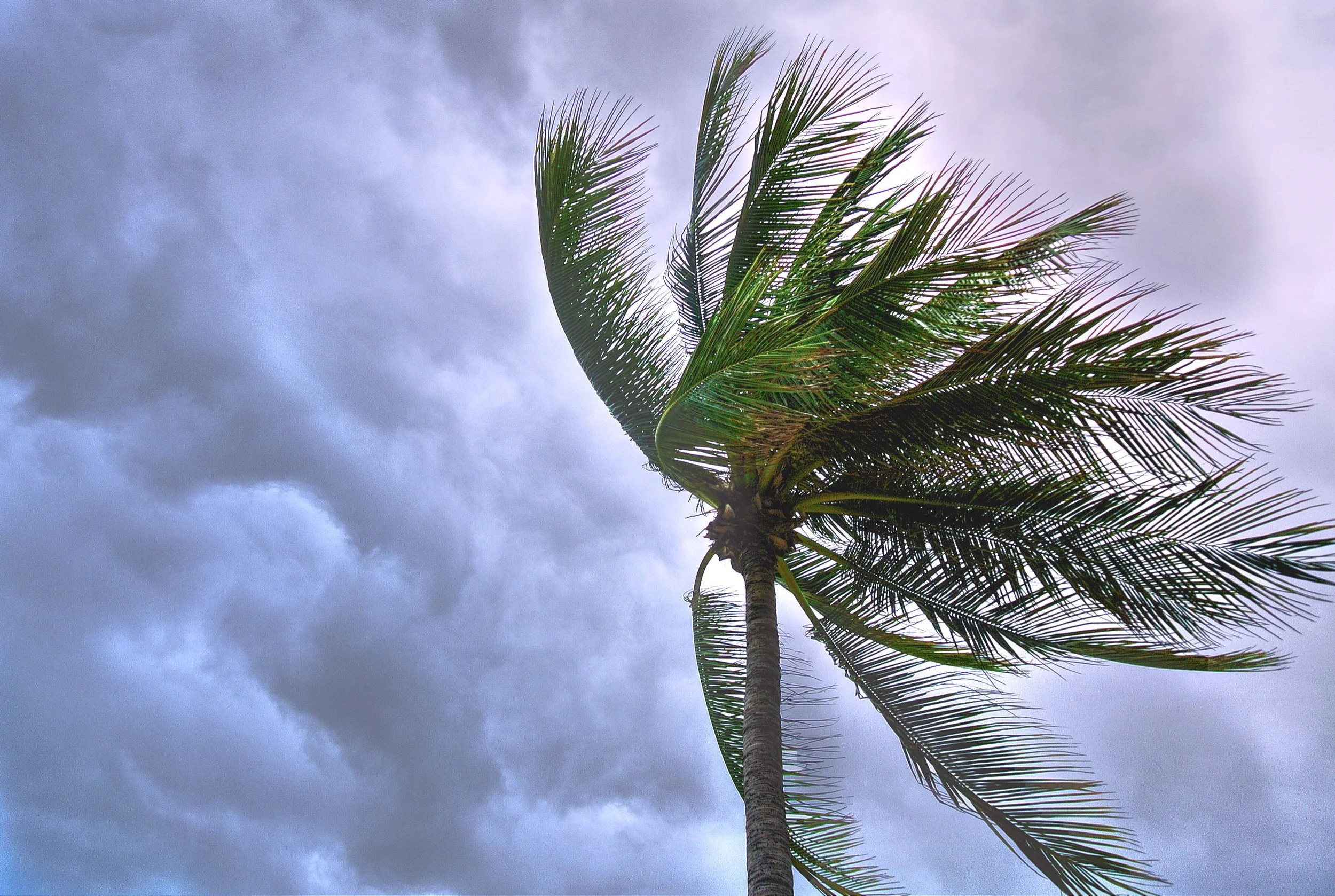
Hurricane season in Hawaii runs from June 1 through November 30, which gives us a yearly reminder to think about how prepared our ohana is for a major storm. After recent power outages from hurricane Lala, I think many of us are interested in taking more steps now to make the days before, during, and after a storm a little easier as new storms start approaching. Losing power for days is no joke!
Hurricane preparedness in Hawaii looks a little different than it does on the mainland. Our islands are geographically isolated and rely heavily on supplies coming in by ship, so a major storm that disrupts ports, roads, or other infrastructure can affect grocery store supplies for days or even weeks. The Hawaii Emergency Management Agency, or HI-EMA, recommends that households work toward having two weeks of food, water, medicine, and other essential supplies on hand.
That can sound like a lot, especially if you live in a condo or apartment with limited storage. The goal isn’t to panic buy two weeks’ worth of groceries all at once. Instead, think of hurricane preparedness as something you can build gradually by adding a few shelf-stable foods to your regular grocery trips, rotating those foods into your meals, and replacing them as you go.
This guide focuses specifically on hurricane food preparedness, nutrition, food safety during power outages, and practical options for Hawaii households. Bookmark it, share it with your ohana, and use it as a quick reference before hurricane season gets busy.
Build a Hurricane-Ready Emergency Pantry
What Foods Should You Have on Hand?
When you’re preparing an emergency food supply, think beyond simply buying foods that won’t spoil. Ideally, your emergency pantry should include foods that are nutritious, familiar to your household, easy to store, and either ready to eat or require very little preparation.
HI-EMA recommends focusing on shelf-stable foods that provide protein and calories and don’t require cooking. Examples include canned tuna, salmon, chicken, chickpeas, and black beans, vegetables, soups, oatmeal, peanut butter, nuts, trail mix, snack bars, and instant rice. A manual can opener is also an easy item to overlook until you need one.
For your own family, consider the foods you already enjoy. Canned fish, nut butter, crackers, canned fruit, shelf-stable milk, cereal, oatmeal, rice, beans, protein bars, dried fruit, and canned meals can all become useful parts of an emergency pantry. You can also save unopened condiment and seasoning packets
(like mustard, mayo, hot sauce) from takeout meals to add flavor to otherwise simple foods.
Hawaii Foodbank also recommends stocking shelf-stable foods your family typically eats, watching for sales, choosing foods that don’t require cooking, and considering lower-sodium options when possible. Buying foods you already know your family will eat means you’re less likely to spend money on emergency supplies that eventually sit unused.
Build Your Pantry Around Nutrition
An emergency food supply doesn’t have to look like your usual grocery cart, and it certainly doesn't need to be perfect. But with a little planning, you can include a variety of foods that provide protein, carbohydrates, healthy fats, fruits, and vegetables.
For protein, think about canned tuna or salmon, canned chicken, beans, chickpeas, peanut butter, nuts, seeds, and shelf-stable protein products like protein powders for an easy option. For carbohydrates, oatmeal, crackers, cereal, rice, granola, and dried fruit can provide energy. Canned fruits, applesauce, and canned vegetables, and other shelf-stable produce can help fill in some of the nutritional gaps that may happen when fresh food isn’t available.
Don’t forget about the people and pets in your household. If someone needs a special diet, has food allergies, takes medication that needs to be taken with food, or relies on specific foods for a medical condition, those needs should be part of your emergency plan too. HI-EMA specifically recommends considering medications, medical equipment, baby food, and pet supplies when preparing your emergency kit.
Prepare Your Food Supply Before the Storm
Small Steps Can Make a Big Difference
The best time to figure out what you’re going to eat without electricity is before the power goes out.
Start by checking your pantry and freezer now. Look at expiration dates, rotate older items toward the front, and replace anything you’ve used. HI-EMA recommends rotating, consuming, and replenishing emergency supplies throughout the season so your food doesn’t simply sit untouched until an emergency happens.
If a storm is approaching and you have advance notice, there are a few additional things you can do to help preserve your cold foods. HI-EMA recommends adjusting your refrigerator and freezer temperature to the coldest setting ahead of anticipated power impacts, stocking up on ice and placing some in your refrigerator in a container, and taking a photo or video of the contents of your refrigerator and freezer so you don’t need to repeatedly open the doors to see what’s inside.
Think about how you’ll prepare food if your normal appliances aren’t available. Depending on your living situation, that might mean having a grill, camp stove, or another appropriate cooking method available. If you use any type of fuel-burning cooking equipment, always follow the manufacturer’s safety instructions and never use a grill, camp stove, or fuel-burning generator indoors or in an enclosed space because of the risk of fire and carbon monoxide poisoning.
It can be helpful to have paper plates, disposable utensils, paper towels, hand sanitizer, and sanitizing wipes available. If water or electricity is unavailable, minimizing the number of dishes you need to wash can make everyday life much easier.
What Happens to Your Food When the Power Goes Out?
How Long Does Food Last Without Power?
This is one of the most important things to understand before a hurricane. When the power goes out, your refrigerator and freezer become a race against time,but keeping the doors closed can significantly extend how long food stays cold.
Here are the basic numbers to remember:
Refrigerator: An unopened refrigerator will generally keep food cold for about 4 hours. Keep your refrigerator at 40°F or below.
Full freezer: A full freezer can generally maintain a safe temperature for approximately 48 hours if the door remains closed. Keep your freezer at 0°F or below.
Half-full freezer: A half-full freezer can generally maintain a safe temperature for approximately 24 hours if the door remains closed.
The most important thing you can do when the power goes out is keep the refrigerator and freezer doors closed as much as possible. Every time you open the door, cold air escapes and the temperature rises.
If the outage is expected to last longer than four hours, coolers, ice, frozen gel packs, or dry ice may help keep perishable food at safe temperatures. The FDA recommends having these supplies available as part of your emergency food safety plan.
When In Doubt, Throw It Out
Don’t rely on smell, appearance, or taste to determine whether food is safe. Food can contain harmful bacteria without looking or smelling spoiled.
Perishable foods such as meat, poultry, seafood, milk, eggs, and leftovers should be discarded if they have been above 40°F for four hours or more. Food that has been sitting at room temperature for two hours or longer should also be discarded, or after one hour if the temperature is about 90°F.
It can be frustrating to throw away food, especially when groceries are expensive. But foodborne illness is not worth the risk, particularly during a disaster when access to healthcare, clean water, and other resources may already be limited.
Food Safety After the Power Comes Back
How Do You Know What’s Still Safe?
Once the electricity comes back on, resist the temptation to immediately start eating everything that was in the refrigerator or freezer. Take a moment to assess what happened during the outage.
If you have an appliance thermometer, check the temperature. For frozen foods, food that still contains ice crystals or has remained at 40°F or below may be safe to refreeze or cook, according to FDA guidance. When you’re unsure how long food has been at an unsafe temperature, it’s safest to discard it.
Remember that cooking food doesn’t necessarily make improperly stored food safe. Some bacteria can multiply when food is held at unsafe temperatures, and certain toxins produced by bacteria may not be eliminated through cooking. When it comes to hurricane food safety, temperature and time matter.
This is also why a refrigerator or freezer thermometer is such a small but valuable addition to your emergency supplies. It gives you information you can actually use instead of having to guess.
Protect Your Food From Floodwater
Don’t Take Chances With Contaminated Food
Hurricanes can bring more than wind. Heavy rain, storm surge, flooding, and contaminated water can all create additional food safety concerns.
Food that comes into contact with floodwater should be discarded. This includes food in containers that are not completely waterproof, as well as food that may appear fine but has been exposed to contaminated water. The FDA specially advises against eating or drinking anything that has touched floodwater.
If you’re preparing an emergency pantry, store food in a location that is as protected from potential flooding as possible. HI-EMA and the FDA recommend keeping nonperishable foods on higher shelves when flooding is a concern.
Damaged cans also deserve a closer look. Cans that are swollen, leaking, punctured, or heavily damaged should not be used. If you have questions about whether a particular food or package is safe after a storm, it’s better to throw it away than take a chance.
Hurricane Preparedness for Hawaii Condos and Apartments
What If You Can’t Have a Traditional Generator?
Hurricane preparedness can be particularly challenging when you live in a condo or apartment. You may have limited storage, restrictions around fuel or generators, no private outdoor space, and building rules that don’t allow you to make electrical modifications.
A traditional gas generator isn’t an option for every household, and it should never be operated indoors, on an enclosed lanai, or in another area where carbon monoxide can accumulate. Noise, fuel storage, fire safety, and building regulations can create additional challenges for people living in shared buildings.
Portable battery power stations are another option that some Hawaii residents may consider for keeping essential devices running during an outage. RevoluSun, for example, highlights portable battery systems as an option for renters and condo residents who may not be able to install permanent backup power. These systems can potentially be used for essentials such as phones, lights, fans, refrigerators, Wi-Fi equipment, or certain medical devices, depending on the capacity of the system.
However, don’t assume that a portable battery or lithium-ion battery system is automatically permitted in your building. Before purchasing or storing one, talk with your landlord, property manager, or condo association about your building’s rules and any restrictions around battery storage, charging, or other backup power equipment. Every condo and apartment building may have different policies.
It’s also important to follow the manufacturer’s instructions for charging, storage, ventilation, and use. Don’t use damaged batteries or equipment, and make sure you understand the capacity of the system before relying on it for essential equipment.
The goal isn’t necessarily to power your entire home. For many condo residents, it may be more realistic to have enough backup power to keep phones charged, operate a fan, run lights, maintain communications, and potentially power a refrigerator or other essential device for a limited period.
Don’t Forget About Water
How Much Water Should You Store for a Hurricane?
Food gets a lot of attention during hurricane preparation, but water is even more important.
HI-EMA recommends one gallon of water per person per day for drinking, cooking, and personal hygiene. For a household preparing for two weeks, that means 14 gallons per person.
That can add up quickly. A family of four would need 56 gallons for two weeks, which may be difficult to store in a smaller condo or apartment.
If storing the full amount isn’t realistic for you right now, start with what you can and build from there. Commercially bottled water and appropriately stored reusable water containers are options, and HI-EMA provides additional guidance on storing and treating water for emergencies.
Don’t forget to account for pets, babies, older adults, and anyone with additional water needs. Think about water for drinking, food preparation, medication, and basic hygiene rather than only the water you’ll drink.
Quick Hurricane Nutrition and Food Safety Tips
If you don’t remember everything from this article, save this list. It’s designed to be an easy reference you can return to before and during hurricane season.
Works toward two weeks of supplies for your family when possible
Stock foods your family already eats and rotate them throughout the year
Include shelf stable protein, carbohydrates, fruits, vegetable, and healthy fats when building your emergency pantry
Keep foods that don’t require cooking on hand
Have a manual can opener available
Keep a refrigerator and freezer thermometer in your home
Keep refrigerator and freezer doors closed during a power outage
An unopened refrigerator generally keeps food safe for about 4 hours
A full freezer generally stays cold for approximately 48 hours
A half-full freezer generally stays cold for approximately 24 hours
Keep refrigerated food at 40°F or below
Keep frozen food at 0°F or below
Use coolers and ice if an outage lasts longer than four hours
Never eat food that has touched floodwater
Don’t rely on smell or appearance to determine whether food is safe
Have a plan for preparing food if electricity isn’t available
Charge phones and backup batteries before a storm
Check with your landlord, property manager, or condo association before purchasing or storing backup battery equipment
Have water available for drinking, cooking, and hygiene
Don’t forget medications, baby supplies, pet food, and other household-specific needs
Check on family, friends, neighbors, and anyone who may need additional help
Preparedness Is a Community Effort
A two week supply of food, water, and emergency equipment is a big goal. For some households, the challenge isn’t knowing what to buy. It’s having enough money, storage space, transportation, or other resources to make it happen.
If you aren’t able to prepare a full two week supply, don’t let that discourage you from preparing at all. Even adding a few extra days of shelf stable foods and water is a meaningful step toward being better prepared. Hawaii Foodbank specifically recognizes that building a two week supply can be difficult because of our state’s high cost of living and encourages households to start with whatever additional supplies they are able to store.
If you need assistance getting food, don’t wait until a hurricane is approaching to ask for help. Hawaii Foodbank has an emergency assistance resource page and food assistance finder, and their guidance also encourages people who need support to reach out to their community. You can also call 2-1-1 for help connecting with services and resources across Hawaii.
For those who are in a position to help, preparedness is also an opportunity to support the people around us. Consider donating shelf stable foods, supporting a local food bank, volunteering, checking on a neighbor, or helping someone who may have difficulty getting supplies.
Hawaii Foodbank describes disaster preparedness as a community responsibility and works with food banks and community partners across the islands to prepare for and respond to emergencies. On O’ahu and Kaua’i, Hawaii Foodbank provides direct support, while Maui Food Bank and The Food Basket serve Maui County and Hawaii Island communities.
Preparing your own ohana is important, but preparing as a community helps make Hawaii more resilient.
Prepare What You Can Before You Need It
Hurricane preparedness can feel overwhelming, especially when you start thinking about two weeks of food, water, medications, power, communication, and everything else your household may need. But you don’t have to do everything at once.
Start with the basics. Add a few shelf stable foods to your pantry. Pick up a manual can opener. Check your freezer thermometer. Set aside some water. Think through how you would keep your phone charged or your food cold if the electricity went out. Then keep building from there.
The goal isn’t to create a perfect emergency pantry overnight. It’s to make your household a little more prepared than it was yesterday. Even a few extra days of supplies can make a difference, and working toward Hawaii’s two week recommendation gives you an even stronger foundation.
Most importantly, remember that preparedness isn’t only about taking care of ourselves. It’s also about taking care of our ohana, our neighbors, and our wider community. When more households are prepared, emergency resources can be directed toward the people who need them most.
If you have questions about building a nutritious emergency food supply that works for your family’s health needs, budget, or lifestyle, reach out to our dietitians. We can help you think through practical food options so you feel more confident about preparing your pantry before the next storm.
Hawaii Hurricane Preparedness Resources
Bookmark these before hurricane season. Having reliable information available is just as important as having food in your pantry. Save these resources now so you aren’t searching for them during an emergency.
Hawaii Emergency Management Agency
HI-EMA’s Two Weeks Ready resources include guidance for food, water, medicine, power, communication, emergency kits, and family planning.
FDA Food Safety Resources
The FDA provides detailed guidance about food and water safety during hurricanes, flooding, and power outages.
Hawaii Foodback
Hawaii Foodbank provides disaster preparedness information, emergency assistance resources, and connections to food assistance throughout Hawaii.
2-1-1 Hawaii
If you or someone you know needs help finding food, housing, utility assistance, healthcare, or other community resources, 2-1-1 can help connect Hawaii residents with available services.